
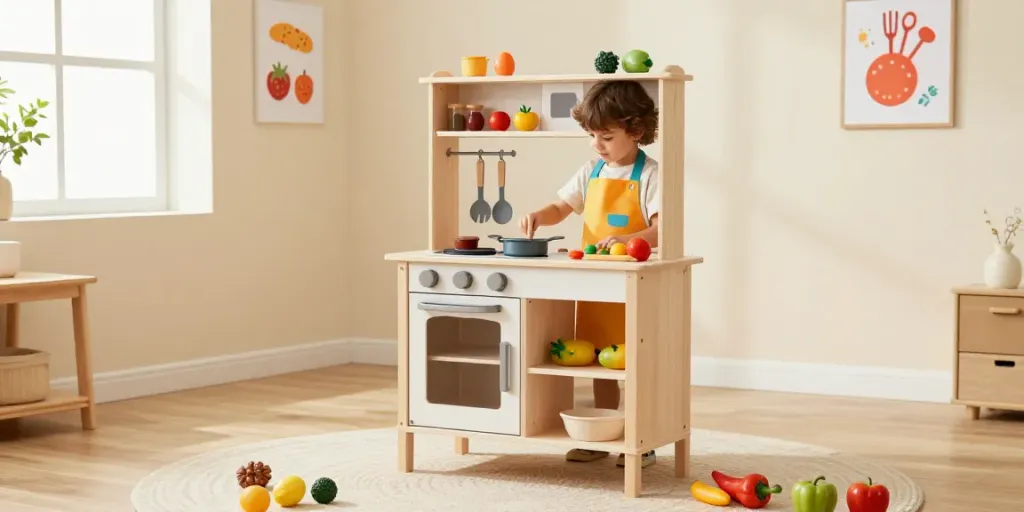
Understanding the Benefits of Wooden Kitchens
Wooden kitchens are more than just toys; they are gateways to imagination and creativity for children. Given their durability, aesthetic appeal, and the tactile pleasure of working with wood, these kitchen sets offer numerous benefits that can significantly enhance a child's playtime experience. When exploring options, wooden kitchen sets provide comprehensive insights into the world of pretend play, where children can experiment and learn essential life skills through the art of culinary role-play.
Why Choose a Wooden Kitchen for Kids?
Choosing a wooden kitchen for your child is an investment in their developmental journey. These kitchens not only provide a platform for imaginative play but also encourage fine motor skills and cognitive development. Children learn how to measure, mix, and create by mimicking real cooking activities, enhancing their ability to problem-solve and think critically.
- Durability: Wooden kitchens are built to last, often becoming cherished heirlooms that can be passed down through generations.
- Safety: Unlike plastic counterparts, quality wooden kitchens are often free from harmful chemicals, making them a safer choice for children.
- Aesthetic Appeal: Wooden kitchens offer a timeless beauty that can complement your home décor, blending functionality with style.
Environmental Impact of Wooden Kitchens
Wooden kitchens are typically made from sustainable materials, ensuring that your purchase is eco-friendly. Many manufacturers use sustainably sourced wood and natural finishes, contributing to a lower carbon footprint compared to plastic toys. This conscious choice supports both environmental responsibility and teaches children the importance of caring for the planet.
How Wooden Kitchens Enhance Imaginative Play
Imaginative play is crucial for a child's development, and wooden kitchens serve as a catalyst for this exploration. Children can engage in dramatic play, taking on roles and creating narratives around cooking and serving food. This type of play not only nurtures creativity but also helps in the development of social skills as they interact with peers or family members during playtime.
Selecting the Right Wooden Kitchen for Your Child
Key Features to Look For in Wooden Kitchens
When selecting a wooden kitchen, there are several key features to consider to ensure it meets your child’s needs:
- Size: The kitchen should be an appropriate size for your child to play comfortably.
- Storage: Look for designs with ample storage for utensils, pots, and play food.
- Realistic Elements: Features like knobs that turn, doors that open, and realistic accessories enhance the play experience.
Age-Appropriate Designs and Sizes
Wooden kitchens come in various designs suitable for different age groups. For younger children, look for kitchens that are lower to the ground and have fewer complicated features to avoid frustration. As children grow, they may prefer more sophisticated designs that allow for greater imaginative play and interaction.
Comparing Brands: What Sets Them Apart?
Not all wooden kitchens are created equal. When comparing brands, consider factors such as quality of materials, design aesthetics, and the inclusion of accessories. Brands like KidKraft and Melissa & Doug are renowned for their high-quality products, while lesser-known brands may offer unique designs that cater to specific preferences or play styles.
Setting Up a Functional Play Kitchen Space
Creating an Organised Cooking Environment
A well-organised play kitchen enhances the play experience. Consider dedicating a specific area in your home for the kitchen setup, ensuring that it’s free from clutter. Use storage solutions like bins or shelves to keep accessories and food items tidy and easily accessible for little hands.
Safety Considerations for Play Kitchens
Ensuring safety in a play kitchen environment is paramount. Look for kitchens with rounded edges and non-toxic finishes. Regularly inspect the kitchen and accessories for any wear or tear that might pose a risk to children. Teaching children to use and care for their toys safely is also an essential part of their learning experience.
Incorporating Accessories to Enhance Play
Accessories can significantly enrich the play experience. Consider adding pots, pans, utensils, and play food items that allow children to engage in realistic cooking scenarios. These accessories can also foster cooperative play when children engage their friends in cooking adventures together.
Encouraging Creative Play with Your Wooden Kitchen
Role-Playing Scenarios to Explore
Encourage your child to explore a variety of role-playing scenarios. They can pretend to be chefs in a restaurant, hosting dinner parties, or even running a café. These imaginative play scenarios can be enriched by incorporating themes, such as international cuisines or seasonal events, to keep playtime fresh and engaging.
Engaging Activities for Skill Development
Utilise the kitchen as a platform for learning different skills. Activities such as counting ingredients, measuring quantities, or even following simple recipes can promote numeracy and literacy. These engaging activities not only make playtime educational but also enjoyable.
Hosting Cooking Parties for Social Interaction
Cooking parties can be a fun way to incorporate social skills into play. Invite friends over for a themed cooking session where children can collaborate, share ideas, and create their own dishes. Such activities encourage teamwork and communication, making playtime both fun and educational.
Maintaining and Caring for Your Wooden Kitchen
Best Practices for Cleaning and Upkeep
Keeping your wooden kitchen in top condition is essential for longevity and safety. Regular cleaning with a damp cloth and eco-friendly cleaning solutions can help maintain its appearance without damaging the wood. Avoid immersing wooden items in water, as this can lead to warping.
Repairing Common Wear and Tear
Over time, wooden kitchens may experience some wear and tear. Small scratches can be sanded down and refinished to restore their original look. For more significant damage, consider consulting a professional or following manufacturer guidelines for repairs to ensure safety and durability.
When to Upgrade or Replace Your Wooden Kitchen
As your child grows, their needs will evolve. If you notice that your child is no longer engaging with their kitchen, or if the playset has sustained significant damage, it may be time to consider an upgrade. Choosing a more complex kitchen that offers additional features could reignite your child's interest in imaginative play.
What age is a wooden kitchen suitable for?
Wooden kitchens are typically suitable for children aged three and above. However, it is always best to refer to the manufacturer’s recommendations to ensure safety.
Are wooden kitchens worth the investment?
Yes, wooden kitchens can be worth the investment due to their durability, safety, and the immense value they add to a child’s imaginative play.
How can I make my wooden kitchen more engaging?
Incorporating a variety of accessories, rotating themes for play scenarios, and encouraging social interaction can significantly enhance the engagement level of a wooden kitchen.
What safety features should I consider?
Look for kitchens with rounded edges, non-toxic finishes, and sturdy construction to ensure safety during playtime.
Can wooden kitchens support educational play?
Absolutely! Wooden kitchens can be excellent tools for integrating educational activities such as counting, measuring, and following directions into play.